
Review · CANADA
Quebec City: Honey and Distillery Tour with Tasting
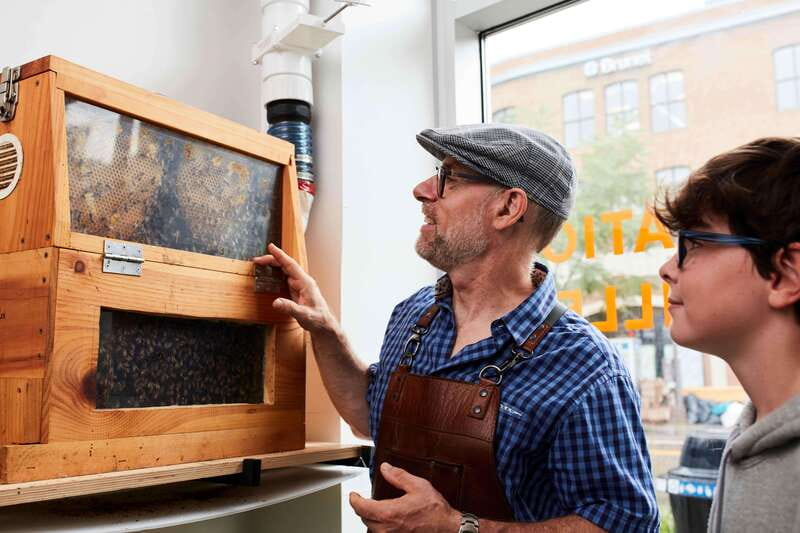
The most unusual part of this Quebec City outing is not the tasting. It is the chance to watch bees working inside a live indoor observation hive, right in the middle of an urban distillery. From there, the story follows the honey from hive to bottle, with an owner guiding you through each step.
I like the personal scale: you may be led by co-owners such as Fred or Nadine, rather than a detached guide. I also like the clear local connection, since the honey, mead, and spirits are produced under one roof with an effort to cut waste. The only real drawback is that the first part takes place in a small room, which may feel close if you prefer open spaces.
Key points to know before booking
- The bees are part of the tour: A small all-season hive lets you observe the colony indoors, even during Quebec’s cold months.
- The tour goes from bee to bottle: You learn about honey collection, fermentation, distillation, ageing, formulation, and bottling.
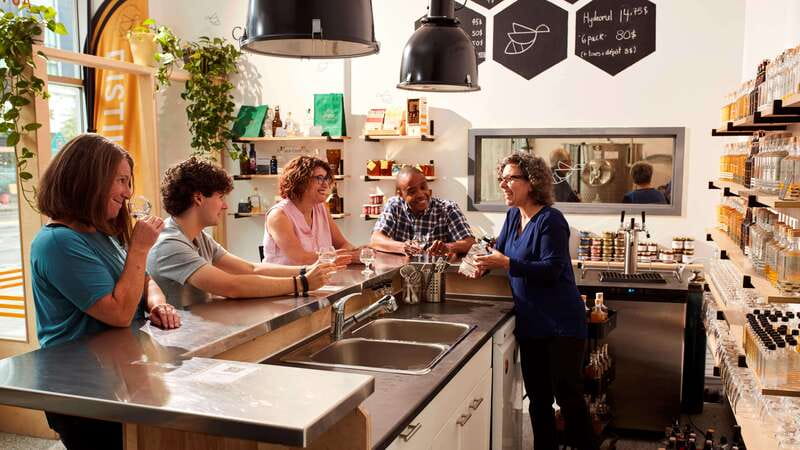
- The tasting includes three drinks: The standard tasting features three Apikol products, including an effervescent mead.
- The owners lead the experience: Guides such as Fred and Nadine explain both beekeeping and distilling from personal experience.
- The group is limited to eight: This keeps the visit conversational and gives you room to ask questions.
- The price is modest: At $21 per person for about an hour, this is a useful indoor stop when you want something beyond the usual sightseeing circuit.
Apikol brings beekeeping into Quebec City’s Saint-Roch district
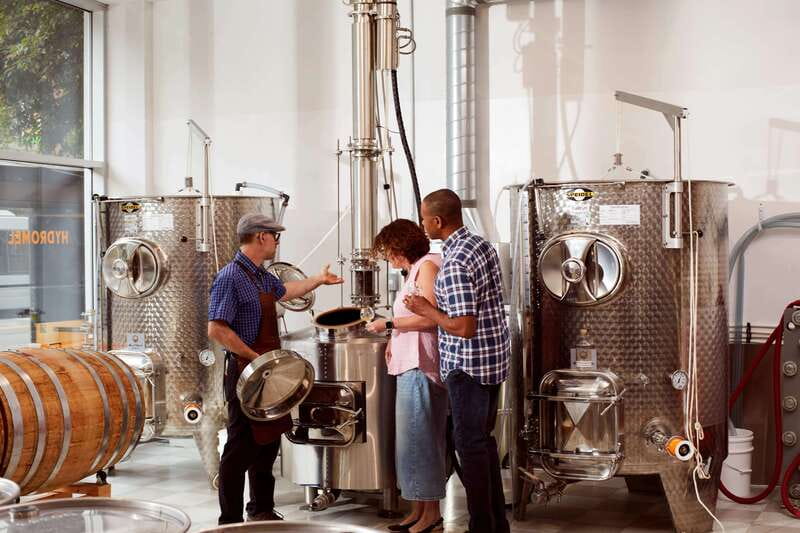
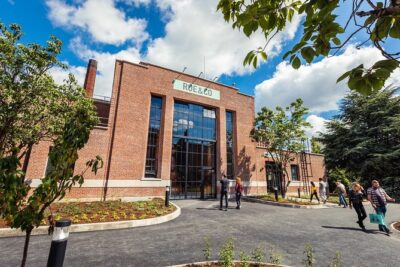
Apikol is not a countryside farm reached after a long drive. It is an urban distillery and mead house in downtown Quebec City’s Saint-Roch district. Under one roof, you find the honey house, mead production area, distillery, and tasting space.
That location matters. You can fit this visit into a day spent exploring the city, and you do not need to give up half a day for transport. It also gives the business a different character from a rural apiary. The bees, equipment, honey, fermentation, and finished bottles all belong to one compact city project.
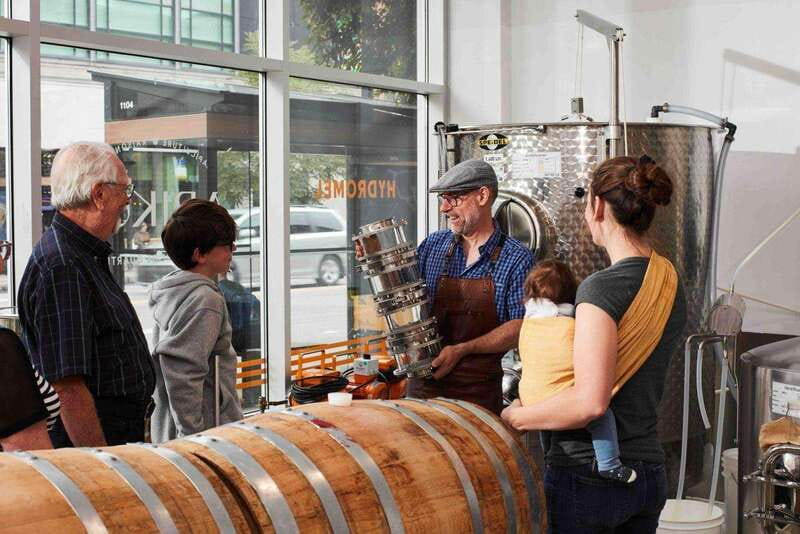
When you arrive, check in at the distillery front desk and say you have booked the tour. The group size is limited to eight people, so the setting feels closer to a workshop than a large commercial attraction. That small group format is especially useful here because the subject invites questions. You are not just watching a demonstration from the back of a room.
The tour is offered in French and English. If you are visiting Quebec City and want to hear the explanations in English, check the available departure time when you book.
More Distillery Tours in Canada:
- Toronto Distillery District Walking Tour
★ 5.0 · 327 reviews - Toronto: Distillery District Historic Walking Tour
★ 4.8 · 267 reviews - 30-Minute Distillery District Segway Tour
★ 5.0 · 214 reviews
The all-season hive is the best opening act
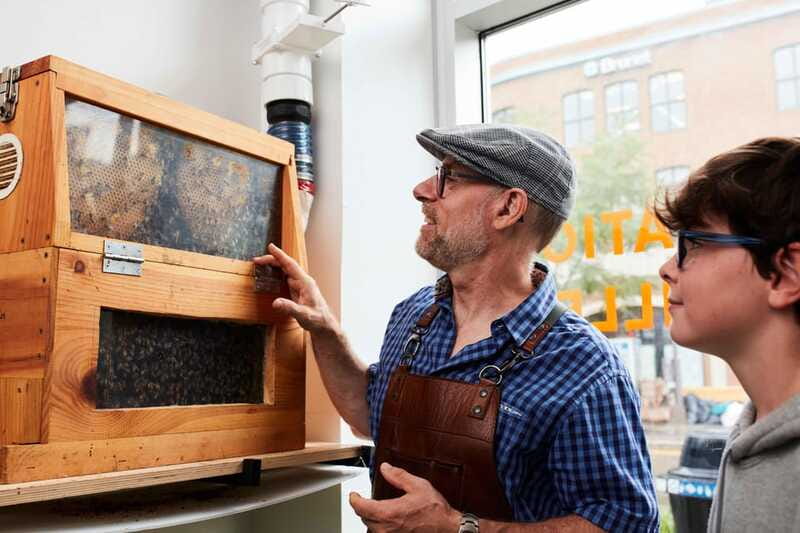
The tour begins with the bees. Apikol’s indoor observation hive gives you a direct look at a working colony without needing to visit an outdoor apiary. It is a small hive, but that is part of its value. You can focus on the activity and the equipment while the guide explains how beekeepers work with bees and collect honey.
This section is more than a quick photo stop. The guide covers the life cycle of bees and the role of beekeeping equipment, then connects that information to Apikol’s own production. Several details that sound abstract in a book become easier to understand when you are looking at a real hive.
I would give this part your full attention. The distilling equipment may look more dramatic, but the hive is what makes this visit different from a standard tasting. It also gives children and non-drinkers something worthwhile to see before the alcohol portion begins.
The room is small, and one person specifically found the first section a little cramped. That is a fair point to keep in mind. The compact space helps the guide keep the talk personal, but it does not offer much room to spread out.
From honey extraction to fermentation
After the hive, the guide follows the honey into production. You learn how honey is extracted and transformed, then how it is prepared for fermentation. This step helps explain what mead actually is: an alcoholic drink made from honey rather than grapes or grain.
Apikol’s approach is especially interesting because honey is the starting point for several different styles of drink. The guide explains how the same basic source can lead to mead, gin-like spirits, vodka-style spirits, or eau-de-vie, depending on the production method and final formulation.
This is where the tour earns its price. You are not simply told that the drinks are local. You see how a local product moves through a chain of work: bees produce honey, beekeepers collect it, the honey ferments, and the distillery turns it into finished beverages.
The owners also explain their effort to reduce the project’s ecological footprint. The focus is not only on the product in your glass, but on how a small urban operation can use local resources and limit waste. The exact technical details may vary with the guide, but the central idea is easy to understand: Apikol tries to keep production close to home and make the business more environmentally responsible.
Distillation, ageing, and bottling under one roof
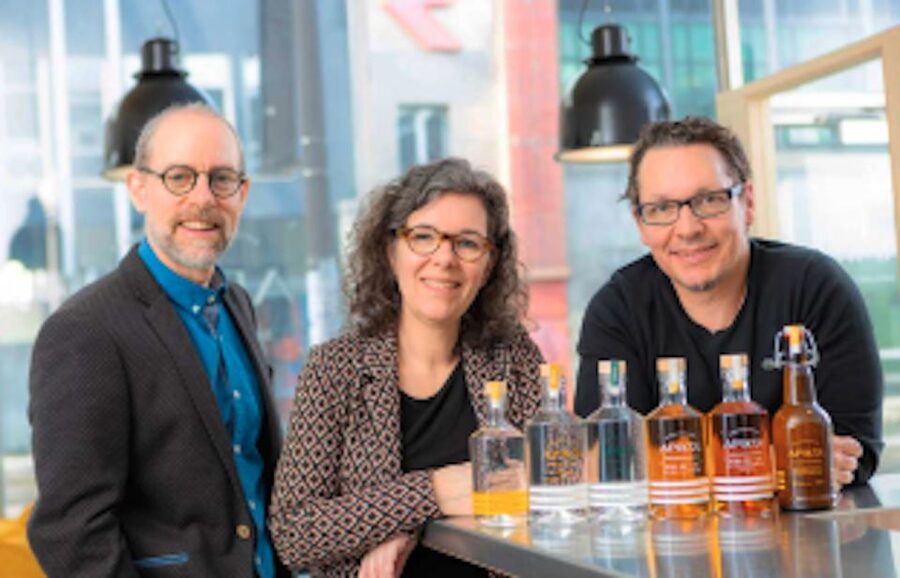
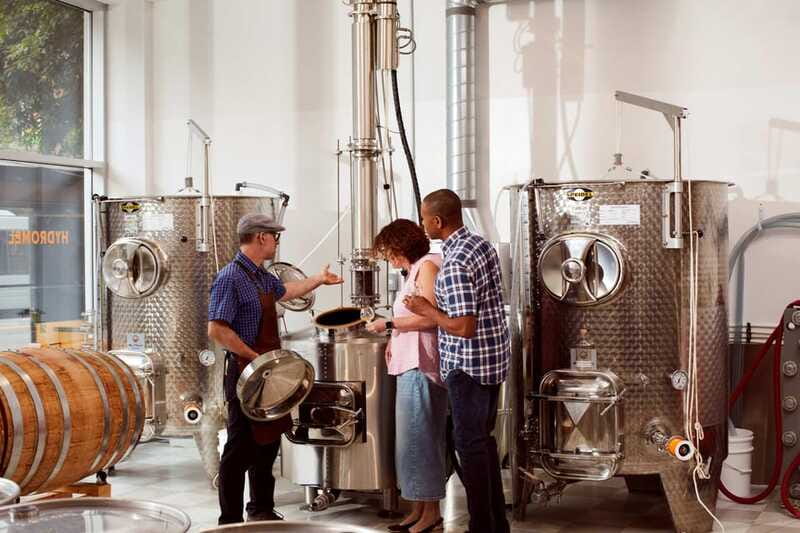
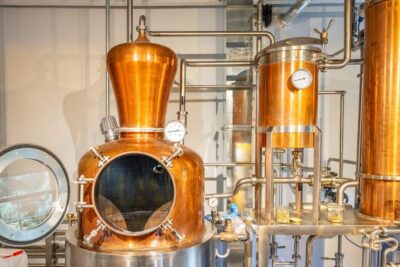
The next part moves into the distillery itself. The guide explains distillation, ageing, formulation, and bottling, giving you the full path from honey to finished drink.
If you have toured a winery or brewery before, this section offers a useful change of pace. Wine starts with fruit and beer starts with grain, but here the raw material is honey. The process also produces a wider range of drinks than many first-time visitors expect.
The guide may explain how the spirits are made to resemble familiar categories such as gin or vodka while still beginning with honey. You will also hear about eau-de-vie and the differences between the products. The point is not to turn you into a distiller in 45 minutes. It is to help you understand why two drinks made from the same local honey can taste so different.
The family-run nature of the operation adds warmth to this section. Fred is known for making technical explanations lively, with humor mixed into the talk. Nadine has also led visits and spoken about the business’s environmental goals. The tone is informal, so you should feel comfortable asking how the equipment works or why a particular drink is made in one style rather than another.
More whisky and distillery tours around Canada:
- Spirits of the Distillery District Ghost Tour
★ 4.5 · 56 reviews - Toronto: Short Distillery District Segway Tour
★ 4.8 · 55 reviews - Whistler Distillery Tour & Tasting Experience
★ 5.0 · 45 reviews - Guided Bicycle Tour – Toronto Waterfront, Island and Distillery
★ 5.0 · 31 reviews
The tasting gives you three ways to read the process
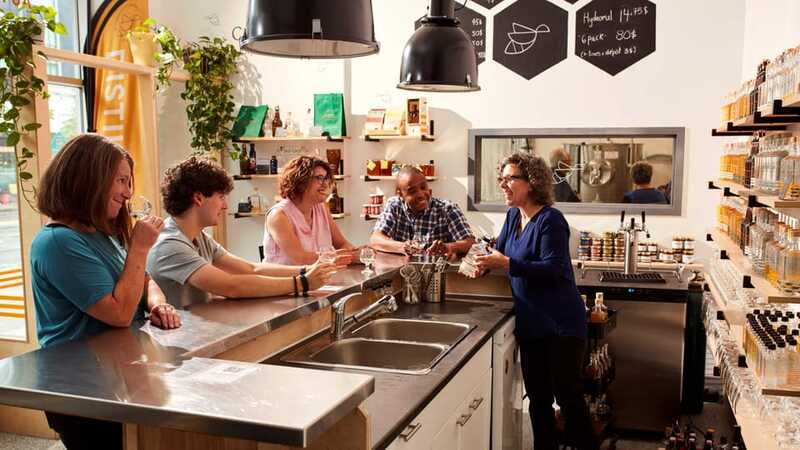
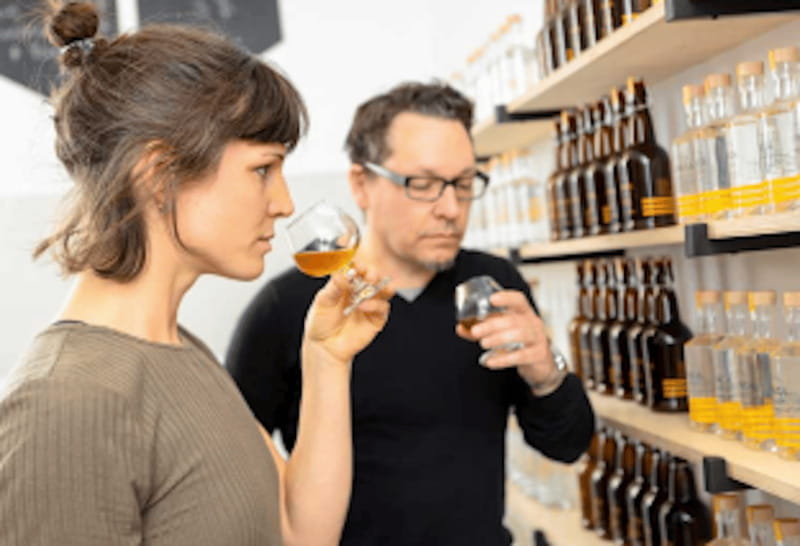
The tour ends with a guided tasting of three products. The standard selection includes an effervescent mead, along with other meads or spirits chosen by the distillery. The tasting is led by an in-house expert who explains what you are trying.
This is not just a reward at the end. It gives you a practical way to compare the results of fermentation and distillation. The sparkling mead offers one point of reference, while the spirits show how far the honey base can be taken.
Gin is a favorite for some visitors, while others prefer the mead. You might also be offered products in vodka or eau-de-vie styles. Additional products may be available for a small extra charge if you want to expand the tasting.
Keep your expectations sensible. This is a short tasting, not a long evening at a bar. The experience is designed to introduce you to Apikol’s range and explain the drinks, not to serve full pours or replace a night out. Still, three samples are enough to help you decide what you might want to buy for later.
Pure fresh honey from one of the city hives may also be available at the end. That is a nice option if you want a non-alcoholic souvenir or a small taste of the beekeeping side of the business.
Why $21 is a good use of one hour
At $21 per person, this tour offers solid value for a one-hour activity. You receive an owner-led visit, access to the distillery, a look at a live hive, an explanation of the full production process, and three drinks to taste.
The price also compares well with many short city attractions that provide only a guided talk or only a sample. Here, the visit has two connected parts: the working urban farm idea and the tasting. The first gives the experience substance, while the second makes the information easier to remember.
I would especially consider it on a rainy, snowy, or very cold day. The entire visit is indoors, and Quebec City can be challenging when the weather turns sharp. It also fits neatly between other plans because the total time is about an hour.
The value is less clear if you do not drink and are mainly seeking a long beekeeping lesson. You can still enjoy the hive, honey, and ecological discussion, and visitors under 18 receive a non-alcoholic beverage, but the tasting is a major part of the experience.
Who will enjoy this tour most
I would recommend Apikol to anyone curious about how food and drink are produced. The tour suits people who like small businesses, local products, urban agriculture, and practical demonstrations.
It is also a good choice for:
- Couples looking for a short activity with a tasting
- Families with older children, since visitors under 18 receive a non-alcoholic drink
- Visitors who have already seen Quebec City’s main historic sights
- People interested in mead or spirits beyond the usual wine and beer
- Eco-conscious visitors who want to hear how a small business limits waste
- Anyone who likes meeting the people behind a local product
You will get the most from it if you ask questions. The guides are happy to discuss bees, honey collection, fermentation, distillation, and the business itself. Since the group is small, your questions are likely to shape the conversation.
I would not choose it if you want a large production facility, a long tasting session, or a broad tour of Quebec’s countryside. Apikol is compact, personal, and city-based. That is its strength, but it also sets a clear limit on what the visit can cover.
Timing, language, and practical details
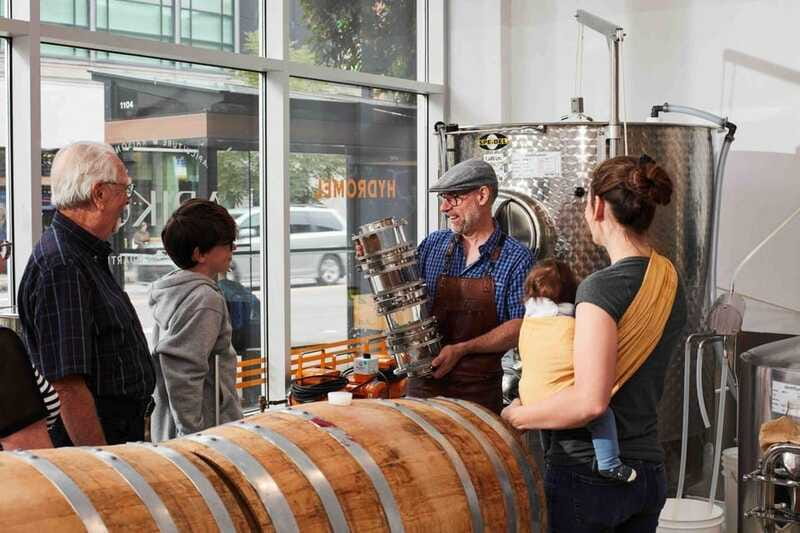
The advertised duration is one hour, with roughly 45 minutes devoted to the guided visit and the remaining time used for tasting. The tasting schedule may be described slightly differently at booking, but plan on about an hour from start to finish.
French and English tours are available. Since the tour is led by an owner or in-house expert, the exact personality and emphasis can vary. Fred is associated with lively explanations about bees and production, while Nadine has also guided visitors through Apikol’s goals and products.
Book ahead if the small group size matters to you. With only eight places, a popular time can fill more quickly than a standard large-group attraction. You can cancel up to 24 hours before the activity for a full refund, and the reserve now, pay later option keeps your plans flexible.
The separate entrance is useful if the distillery is busy. Just check in at the front desk and tell the staff you have reserved a distillery tour.
Should you book Apikol?
I would book this tour if you want a short, local, and genuinely different Quebec City activity. The live hive gives it a memorable starting point, the bee-to-bottle explanation gives it real substance, and the tasting makes the final products easier to understand.
The strongest reasons to go are the owner-led format, the small group, and the chance to see honey used in ways that go well beyond the kitchen table. You should also know what you are signing up for: an indoor visit, a compact space, and a tasting rather than a full afternoon at a farm.
For $21, Apikol is an easy add-on to a Saint-Roch itinerary. I would choose it on a cold day, for a first introduction to mead, or whenever you want to support a small Quebec business with a clear local and environmental focus.
FAQ
Where does the Apikol honey and distillery tour take place?
The tour takes place at Apikol, an urban distillery and mead house in Quebec City’s Saint-Roch district.
How long does the tour last?
The complete experience lasts about one hour. The guided portion takes about 45 minutes, followed by a tasting.
What is included in the tasting?
The standard tasting includes three Apikol products, including an effervescent mead. Other products may be added for a small supplement.
Is the tour available in English?
Yes. The tour is offered in both English and French.
How many people are in each group?
The activity is limited to eight participants, making it a small-group tour.
Can visitors under 18 join?
Yes. Visitors under 18 receive a non-alcoholic beverage instead of alcoholic samples.
Can I cancel my reservation?
Yes. You can cancel up to 24 hours in advance for a full refund. The activity also offers a reserve now, pay later option.
Fresh on the whisky trail around Canada
- Victoria Craft Beer and Distillery Tour★ 5.0 · 5 reviews
- Distillery District Breakfast Tour★ 5.0 · 21 reviews
- Toronto Distillery District: Whisky Exploration Game and Tour★ 3.5 · 4 reviews
- Full-Day Wine, Whiskey & Beer Tour w/ Lunch Pairing★ 5.0 · 2 reviews
- Brewery & Distillery Tour (Craft Beer, Spirits, and Cocktails)★ 5.0 · 21 reviews
- Park Distillery Tour with Craft Spirits Tasting★ 5.0 · 23 reviews
- Toronto: Distillery District Breakfast Walking Tour★ 5.0 · 10 reviews
- Toronto: Nickel 9 Distillery Tour and Tasting★ 5.0 · 2 reviews
Distillery Tours, side by side.

Dublin: Jameson Whiskey Distillery Tour with Tastings
Read our review →
Dublin Jameson Distillery Bow St. Tour and Tasting 45 mins
Read our review →
Dublin Jameson Distillery and Guinness Storehouse Guided Tour
Read our review →
Nashville to Jack Daniel’s Distillery Bus Tour + Whiskey Tastings
Read our review →
Dublin Teeling Whiskey Distillery Guided Tour and Tasting 1 Hour
Read our review →
Edinburgh: Holyrood Distillery Whisky & Gin Tour
Read our review →Lists this tour appears on