
Review · CAMBODIA
4 Hours-Siem Reap Authentic Village and Homemade Whisky
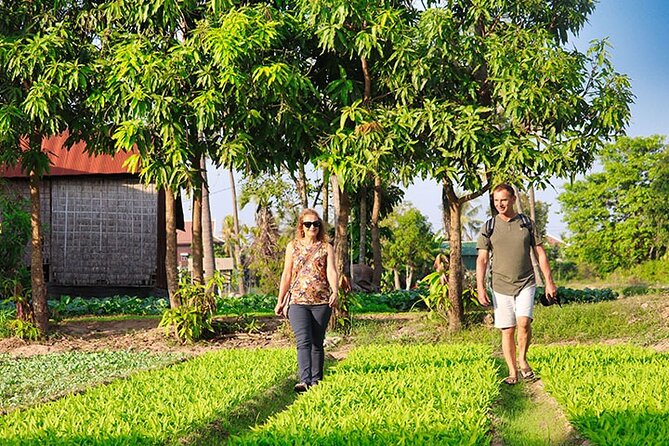
Chreav Village gives you something the temple circuit cannot: a close look at everyday rural Cambodia. You will see rice being turned into milk, hear how rice spirit is made, walk through a local market, and visit a traditional Khmer house. The homemade whisky is the unusual hook, but the real value is meeting village life on its own terms.
I like the small group of no more than seven, which leaves room for questions and keeps the village walk personal. I also like that the guide and his sister, who drives the tuk-tuk, come from farming backgrounds. They can explain rural work and family life from direct experience, not from a memorized script.
The main tradeoff is the early 7:00 am start and a fairly full four-hour schedule. The rice spirit visit is flexible, so it may not appear in exactly the same form every time. At $85 per person, this is not a bargain tuk-tuk ride, but it offers more interpretation and access than a simple countryside drive.
Key points at a glance
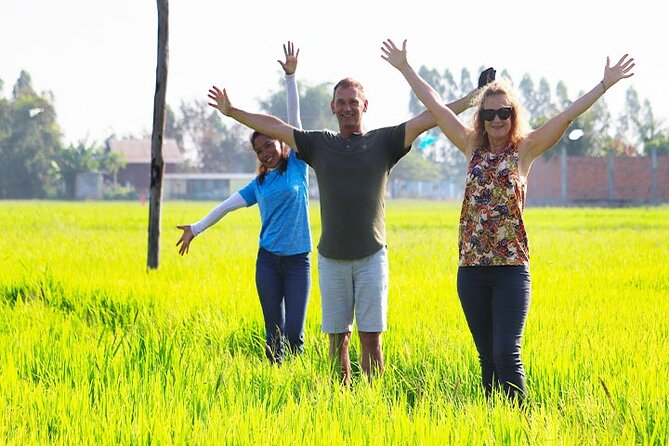
- Rice milk and rice farming: See how rice supports both the Cambodian diet and village income.
- Homemade rice spirit: A flexible stop may show you the traditional process behind Cambodia’s homemade whisky.
- Traditional Khmer house: Step inside a local home and connect farming with family life.
- Market and village walk: Watch Chreav Village function as a real community, not a staged attraction.
- Small morning group: The maximum of seven makes conversation easier and limits the feeling of a large tour.
- Water and snacks included: Useful basics are covered, while personal expenses are not.
Why Chreav Village makes a good change from temple touring
Siem Reap is famous for Angkor, but the province is also home to farming communities where rice remains central to daily life. This tour shifts your attention from carved stone and royal monuments to food, work, homes, markets, and family routines.
That change matters. You can learn a great deal about Cambodia by looking at what people grow, cook, sell, and drink. Rice is not simply a crop here. It appears in food, drinks, local trade, and the rhythm of the year. A visit to Chreav Village helps connect those pieces.
You should expect a working village, not a polished cultural park. The appeal is that the morning focuses on ordinary life. At the same time, village activities can vary, and the rice spirit portion is not guaranteed in one fixed format. Keep your expectations flexible and you will get more from the visit.
The tour lasts about four to five hours, with the main village activities taking roughly four hours. Starting at 7:00 am gives you a cooler part of the day and leaves time afterward for other plans in Siem Reap. It also means you should arrange breakfast before departure or be ready to rely on the included snacks.
More whisky and distillery tours around the world:
- Edinburgh: The Scotch Whisky Experience Tour and Tasting
★ 4.7 · 5,213 reviews - Dublin: Jameson Whiskey Distillery Tour with Tastings
★ 4.7 · 4,859 reviews - Dublin Jameson Distillery Bow St. Tour and Tasting 45 mins
★ 5.0 · 4,690 reviews
Meeting your guide and heading into the countryside
The tour includes pickup, though the supplied details do not specify the exact pickup area or time beyond the 7:00 am start. Confirm the meeting point when you book. A mobile ticket is provided, and confirmation is sent at booking.
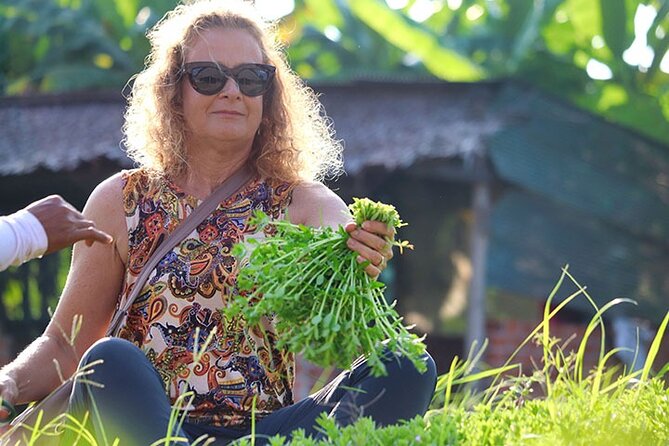
The guide speaks English and is accompanied by his sister, who drives the tuk-tuk. Their farming background is one of the strongest features of the morning. You can ask practical questions about rice work, village habits, and rural attitudes, rather than hearing only broad facts about Cambodia.
A tuk-tuk is also the right kind of transport for this setting. It keeps you open to the countryside as you move between stops and makes the ride part of the experience. The final drive past local animals offers time for photographs, although the exact sights will depend on the day and route.
The group limit is seven people. That is small enough for the guide to hear your questions and for the tuk-tuk arrangements to feel more manageable than a large bus outing. If you prefer private, fully customized touring, this is not advertised as a private trip, so ask about the group setup before booking.
Rice milk: a useful first lesson in village food
The rice milk stop introduces one of the tour’s most practical themes: how a basic crop becomes something ready for the kitchen. You can expect an explanation of the production process and its place in Cambodian culinary traditions.
This is a good opening because it starts with something you can understand through taste, texture, and method. Instead of treating rural Cambodia as a backdrop for photographs, the activity shows how food is made and why rice has such a central role.
Do not expect a long cooking class unless the guide confirms that in advance. The description promises insight into rice milk production, not a full hands-on workshop. Still, it gives you a concrete way to understand the connection between local agriculture and the food on Cambodian tables.
The included snacks fit naturally here, though the exact snacks are not specified. If you have allergies or dietary limits, tell the operator before the tour. Personal expenses are not included, so bring some Cambodian currency if you want to buy anything during the morning.
The flexible rice spirit stop and homemade whisky
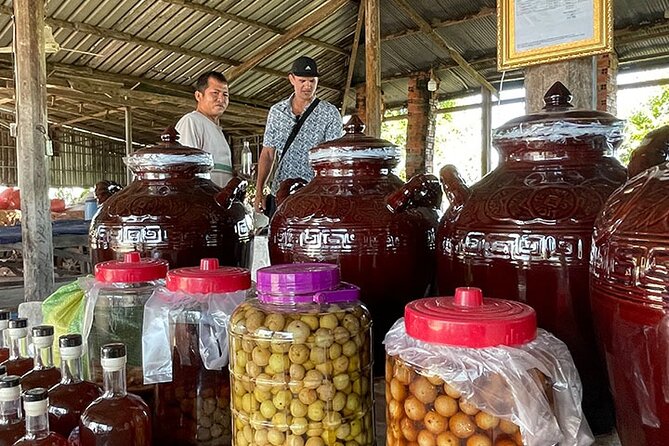
The rice spirit portion is the tour’s most unusual feature. You may learn how rice is fermented and distilled into a homemade spirit, often called rice whisky in Cambodia. The stop is flexible, which means the experience can change with local conditions and the day’s route.
That flexibility is both a strength and a limitation. It may allow the guide to show you a real working setup rather than a fixed demonstration built for visitors. On the other hand, you should not book this expecting a guaranteed tasting, a formal distillery tour, or the exact same process every time.
Ask questions about ingredients, equipment, and how the drink fits into village life. If sampling is offered, drink carefully. The tour information does not promise a tasting or state the alcohol arrangements, so you should not assume that trying the spirit is required or included.
The homemade whisky also needs some cultural context. It is not just a novelty for photographs. It shows how local knowledge can turn a farm product into another household product or source of income. The guide’s farming background should help connect the drink to the wider rice economy.
Same glass, a different kind of day:
- Melbourne: Yarra Valley Wine, Gin, Whisky and Chocolate Tour
★ 5.0 · 3,667 reviews - Dublin Irish Whiskey Museum and Gallery Guided Tour with Tasting
★ 5.0 · 3,078 reviews - Edinburgh: Underground Vaults Evening Ghost Tour with Whisky
★ 4.7 · 2,685 reviews - Dublin Jameson Distillery and Guinness Storehouse Guided Tour
★ 4.5 · 2,608 reviews
Walking through Chreav Village
The village walk is where the morning becomes most personal. You will move through Chreav Village and see the physical setting where local families live and work. The focus is on rural life, not on a list of grand sights.
Walking gives you time to notice details that disappear from a moving vehicle. You might see farm-related work, household activity, or the everyday traffic of a village morning. The supplied details do not promise particular animals, crops, or ceremonies, so enjoy what is present rather than arriving with a fixed checklist.
Good village etiquette matters. Ask before photographing people, homes, or work. A friendly greeting and a little patience go a long way. Your guide can help you judge when a picture is welcome and when it is better to keep your camera down.
The walk is likely to suit anyone who wants a slower, more human view of Siem Reap Province. It may be less satisfying if you want constant action or a tightly staged sequence of demonstrations. The appeal is observation and conversation.
Inside a traditional Khmer house
The traditional house visit adds a clear human center to the tour. You will learn about local lifestyles through the layout and use of a Khmer home, rather than only hearing about village customs in the abstract.
A home visit can explain how family life, cooking, rest, storage, and work fit together. The available details do not specify the house’s age, family arrangements, or exact architectural features, so your guide’s explanation will shape what you learn on the day.
This stop also helps correct a common mistake in rural sightseeing. A village is not just a collection of old-looking buildings. It is a living place where homes serve practical purposes and adapt to present needs. Listen for the difference between traditional design and modern changes.
You should treat the visit as a courtesy, not a museum admission. Follow the guide’s instructions about where to stand, what to touch, and when photographs are appropriate. A respectful visit will feel more natural for everyone.
The market as the village’s daily meeting point
The local market gives you another view of community life. Markets are useful places to watch how food and household goods move from producers to buyers. You can look at the produce, notice how stalls are arranged, and see the social side of shopping.
The word market can mean different things in Cambodia, from a compact village trading area to a larger commercial center. The tour does not specify the market’s size or exact products, so do not expect a major food hall or a dedicated souvenir stop.
I like this part because it helps you connect the earlier activities. Rice farming, rice milk, and rice spirit are not isolated topics. The market shows how food and local products enter everyday trade. Even a short visit can make the rural economy easier to understand.
Bring small cash if you want to make a personal purchase. Personal expenses are excluded, and the tour does not state that shopping is part of the program. You are free to look without buying, and the guide can help explain unfamiliar products.
Rice farming and processing in plain terms
The farming and processing section gives the tour its strongest educational base. You will learn about traditional rice farming and what happens after the crop is harvested. That makes the earlier food and spirit stops easier to place in context.
The details provided do not state the season, the precise farm site, or the machinery used. Conditions can therefore vary. You might see active work, hear an explanation of the process, or view the setting where farming takes place.
This is worth your attention even if you have seen rice fields elsewhere in Southeast Asia. The important point is not simply that rice grows in Cambodia. It is how farming shapes household routines, local food, and the practical outlook of people who depend on the crop.
The guide and his sister’s own farming background should make this section especially useful. You can ask how rural work affects the family, what parts of the process are traditional, and how village life is organized around agriculture. Specific answers will depend on their experience and the day’s conversation.
The final drive and photo opportunities
The tour ends with a scenic drive past local fauna. This is a gentle finish after the walking and village visits, and it gives you a final chance to photograph rural surroundings.
The phrase local fauna does not identify particular animals, so keep your camera ready but do not expect a guaranteed wildlife sighting. The value is in seeing more of the area as you return, with the open-air tuk-tuk giving you a clear view.
Morning light can be pleasant for photographs, and the early start helps avoid the strongest midday heat. Still, protect yourself with sun coverage and comfortable clothing. The tour includes bottled water, but you may want additional water if you drink a lot in warm weather.
Because the route is flexible, the drive may feel like a bonus rather than a major attraction. That is fine. The central experience is the village visit, while the ride helps round out the picture of life beyond Siem Reap’s main tourist zone.
Is $85 a fair price?
At $85 per person, this is priced above a basic tuk-tuk transfer or a short countryside ride. You are paying for a four to five-hour guided outing, an English-speaking licensed guide, transport, snacks, bottled water, and access to several rural activities in one morning.
The value depends on what you want. If you mainly want a cheap ride to take photographs of fields, the price will feel high. If you want explanations, a village walk, a house visit, food production, farming context, and a small group, the cost is easier to justify.
The group cap of seven matters here. A small group can make a local visit less rushed and give you more time to ask questions. It also reduces the risk of spending the morning waiting for a large party to move between stops.
The price does not cover personal expenses. That means market purchases and other individual costs are extra. The information provided does not mention meals, so do not treat the included snacks as a full breakfast or lunch.
Who should book this morning?
I would point this tour toward you if you have already seen, or plan to see, Angkor and want a different side of Siem Reap Province. It suits curious eaters, photographers, families, and anyone interested in how rural communities work.
It is also a good fit if you like meeting local people through ordinary activities rather than through a staged cultural show. The guide’s farming background and his sister’s role as tuk-tuk driver add a family connection that should make the explanations feel grounded.
You may want another option if your priority is a private itinerary with guaranteed stops, a later start, or a formal whisky tasting. The rice spirit visit is flexible, and the morning begins at 7:00 am. The schedule is full enough that you should be ready to move between several activities.
Most travelers can participate, and the tour is near public transportation. Pickup is offered, but confirm the exact arrangements before the morning begins. Free cancellation is available up to 24 hours before the start time. Changes or cancellations made inside that window are not accepted for a refund.
Should you book the Chreav Village experience?
Book it if you want rural Cambodia explained through rice, homes, markets, and family experience rather than viewed from a passing vehicle. The combination of rice milk, farming, a traditional house, and a possible rice spirit stop gives the morning a clear local focus.
I would book with two expectations in mind: the 7:00 am start is firm, and the rice whisky portion can vary. If those points suit you, the small group and farming background of the guide team make this a worthwhile counterpoint to Siem Reap’s temple visits. It offers a practical look at how people live, work, and eat outside the city.
FAQ
Where does the tour take place?
The experience takes place in Chreav Village in Siem Reap Province, Cambodia.
What time does the tour start?
The tour starts at 7:00 am.
How long does the experience last?
It lasts approximately four to five hours, with the main activities listed as taking about four hours.
Is pickup offered?
Yes, pickup is offered. The supplied details do not give a specific pickup area, so confirm the meeting arrangements when booking.
How many people can join?
The tour has a maximum of seven travelers.
Is the tour conducted in English?
Yes. An experienced, licensed English-speaking guide leads the tour.
What is included in the price?
The price includes the English-speaking guide, bottled water, and snacks.
Are personal purchases included?
No. Personal expenses are not included, so market purchases or other individual costs are paid separately.
Can I cancel for a full refund?
Yes, if you cancel at least 24 hours before the experience starts. Cancellations or changes made less than 24 hours before the start time are not refunded or accepted.
Fresh on the whisky trail around the world
- The Full Hoot Distillery Tour & Guided Hooting Owl Experience★ 5.0 · 6 reviews
- NON BUS Old Mission Wine And Distillery Sunset Tour – 4 STOP★ 5.0 · 2 reviews
- Victoria Craft Beer and Distillery Tour★ 5.0 · 5 reviews
- Heke Brewery and Distillery Tour in Waiheke Island with samples★ 4.5 · 3 reviews
- Afternoon Distillery Tour in Newport★ 4.5 · 21 reviews
- Distillery District Breakfast Tour★ 5.0 · 21 reviews
- Toronto Distillery District: Whisky Exploration Game and Tour★ 3.5 · 4 reviews
- NON BUS MOVIE STARS Traverse City Brewery And Distillery Tour★ 5.0 · 2 reviews