Review · SOUTH KOREA
Soju Tasting at Distillery – story of 3 pigs
The most interesting part of this Seoul tasting is the chance to compare traditional distilled soju with the sweetened green-bottle drink found in convenience stores. Inside a distillery closed to the general public, Sam Lee explains how rice, fermentation, and distillation shape Korean alcohol.
I like the tasting’s historical angle, especially the story of Samhae soju and its connection to Joseon-era noble households. I also like the relaxed, social format: Sam answers questions, explains Korean drinking customs, and often offers useful food and sightseeing tips.
The main drawback is the short 90-minute schedule. Seven or more samples of strong spirit make for a full session, but the clock may feel tight if you want a long distillery visit or detailed discussion of every bottle.
Key points to know before booking
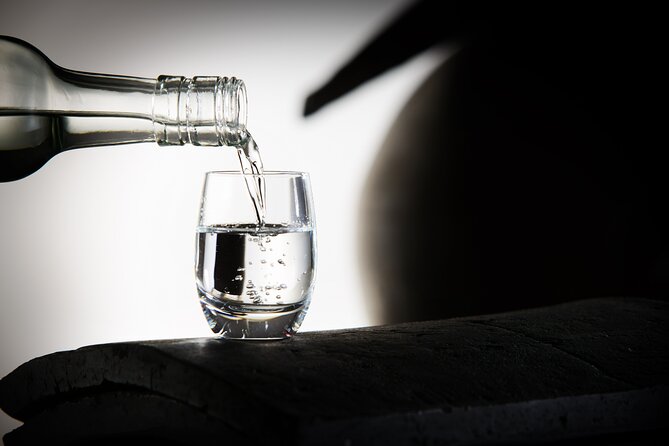
- Seven or more Korean drinks: Taste traditional soju, plus examples of takju and cheongju when available.
- Strong spirits: The premium soju is 45% alcohol or higher, so eat before you arrive.
- A working distillery: You visit a production space that is not generally open to the public.
- Sam Lee leads the session: Expect clear explanations, humor, cultural context, and practical Seoul advice.
- Small group setting: The activity is designed for a limited group, with the maximum listed as 10 people.
- Mapo-gu location: The meeting point is Samhae Soju on World Cup buk-ro, near public transportation.
Why this is not just a green-bottle soju tasting
For many visitors, soju means the familiar green bottle served with Korean barbecue. That drink has its place, but it is usually a low-strength industrial spirit made from diluted alcohol and sweetener. Traditional soju is a different drink altogether.
This tasting gives you a useful point of comparison. You can try spirits with more weight, aroma, and heat, including premium soju at 45% alcohol or higher. At 90 proof or above, these pours demand more attention than the easy-drinking bottles commonly served in Seoul restaurants.
I like this approach because it turns a familiar Korean staple into a food and culture lesson. You are not simply sampling flavors. You are learning why Korean alcohol comes in different forms and how production methods change the final drink.
Korean alcohol is broadly divided into three groups. Takju is unfiltered rice wine, usually cloudy. Cheongju is a filtered, clear rice wine. Soju is distilled, giving it a higher alcohol level and a cleaner, stronger character.
The tasting focuses on soju, but you may also try examples of the other two categories. That wider comparison helps explain Korean drinking culture better than a single-brand tasting would.
More Distillery Tours in the world:
- Dublin: Jameson Whiskey Distillery Tour with Tastings
★ 4.7 · 4,859 reviews - Dublin Jameson Distillery Bow St. Tour and Tasting 45 mins
★ 5.0 · 4,690 reviews - Dublin Jameson Distillery and Guinness Storehouse Guided Tour
★ 4.5 · 2,608 reviews
Entering the distillery in Mapo-gu
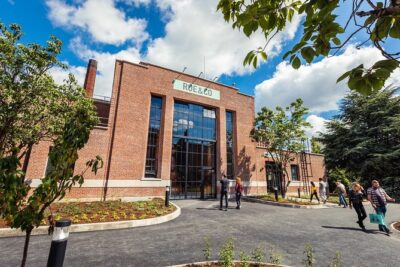
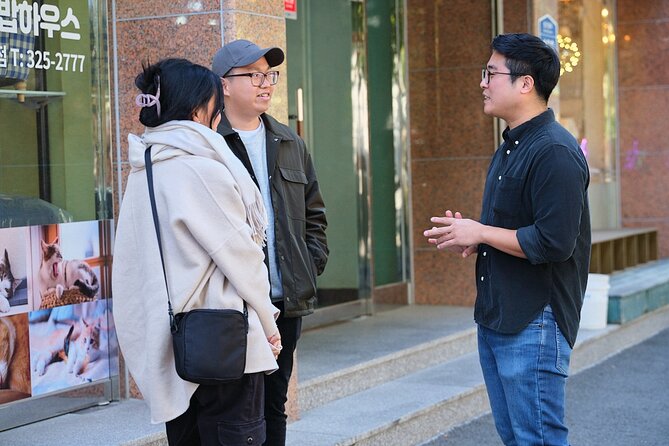
The experience begins at Samhae Soju, at World Cup buk-ro 109, basement level unit 1, in Seoul’s Mapo-gu district. The location is near public transportation, but you should allow enough time to identify the building and find the basement meeting point.
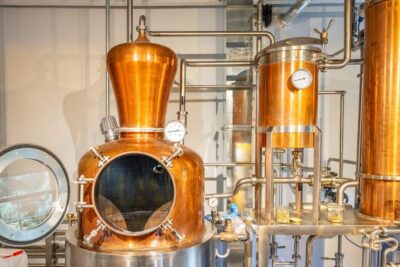
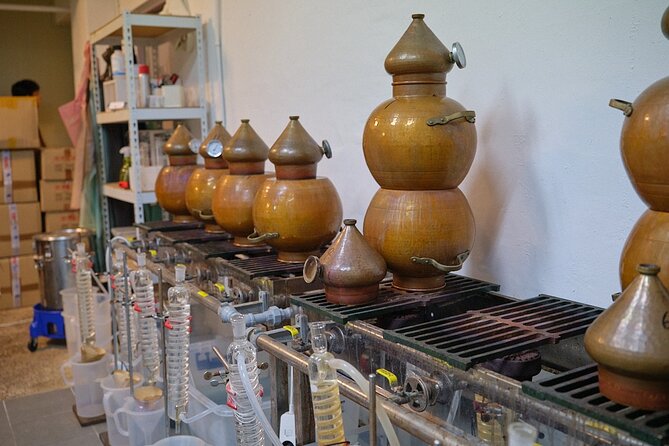
This is not presented as a polished museum or a large commercial visitor center. You are entering an active distillery that is not normally open to the public. That gives the visit a practical feel, although anyone expecting a glossy showroom should adjust expectations.
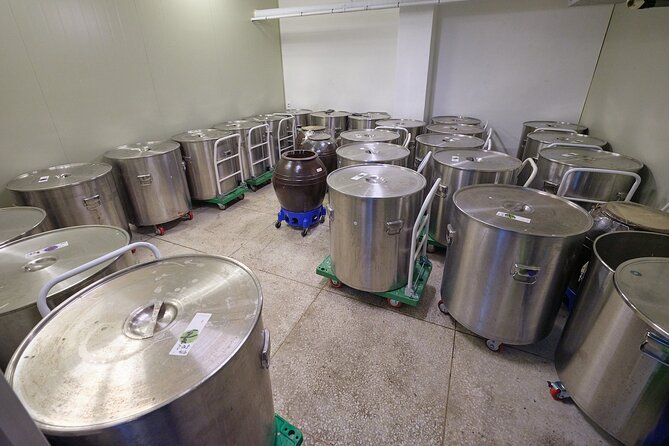
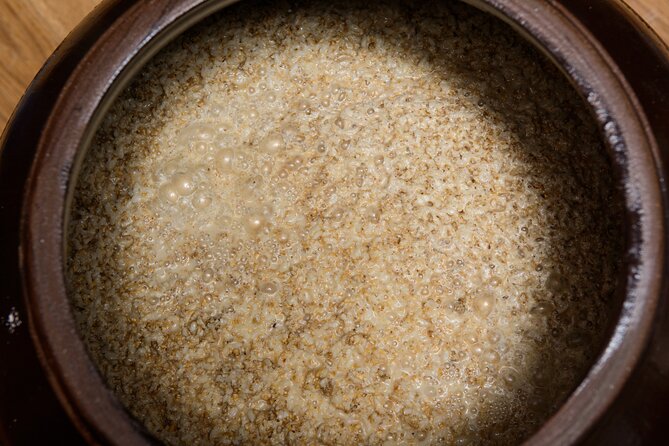
You might see fermentation in progress and learn how the drink moves from rice and other ingredients toward the finished spirit. The production setting matters because it connects the glass in front of you with the actual work behind it.
The experience returns to the same meeting point at the end. A mobile ticket is provided, and booking confirmation arrives at the time of reservation.
The story of Samhae soju and the Three Pigs
The historical heart of the session is Samhae soju. This style was associated with the noble class during Korea’s Joseon Dynasty, which lasted from 1392 to 1894. It was prized as a luxury spirit, but it used large amounts of rice.
That rice demand had real consequences. During periods of famine, production had to stop because the grain was needed for food. This detail gives the drink more meaning than a simple claim that it is old or traditional. You see how alcohol production was tied to farming, wealth, and survival.
The present master, Hyeonjong Kim, learned the method over more than 10 years under master Taeksang Kim, who had inherited and protected the family recipe. Taeksang Kim died in 2021, so the tasting also touches on the difficult question of how traditional recipes survive when their keepers are gone.
The Three Pigs story is part of the identity of the distillery and its soju. Sam brings the background to life with stories about Korean alcohol, production, and drinking customs. The tone is informal rather than academic, which works well for a group tasting.
What the 90-minute tasting feels like
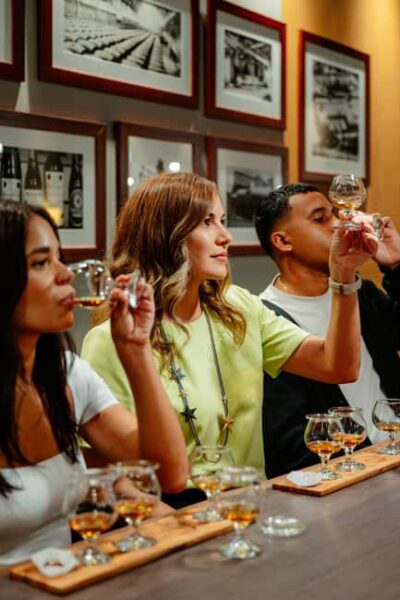
The session is built around conversation and sampling. Sam introduces the drinks, explains how Korean alcohol is made, and leads you through at least seven different types.
The samples can include several soju varieties with added aromas. This is useful for beginners because you can compare a plain spirit with bottles shaped by different scents and flavor notes. It also gives experienced soju drinkers a chance to find a new favorite.
The order and exact selection may vary, so do not expect a fixed list of seven named bottles. The important promise is variety, not one particular flight.
You will also hear about the steps that come before distillation. One session may explain how takju and yakju are produced before the liquid becomes soju. That context helps you understand why the finished spirit tastes and feels different from rice wine.
Sam’s role is central. The session works best when you ask questions and join the conversation. He explains the process in plain language, responds patiently, and brings in Korean manners and drinking traditions. You may also receive restaurant suggestions and ideas for places to visit after the tasting.
The social side is part of the appeal. Groups can be small, and the setting encourages conversation among people who may have arrived as strangers. That can make the evening feel more like sharing bottles with a friendly local than sitting through a formal lecture.
Still, the format depends partly on the group. A solo visitor could find the experience less comfortable if the other participants do not include them in conversation. The host can guide the discussion, but he cannot control every group dynamic.
More whisky and distillery tours around the world:
- Edinburgh: The Scotch Whisky Experience Tour and Tasting
★ 4.7 · 5,213 reviews - Melbourne: Yarra Valley Wine, Gin, Whisky and Chocolate Tour
★ 5.0 · 3,667 reviews - Dublin Irish Whiskey Museum and Gallery Guided Tour with Tasting
★ 5.0 · 3,078 reviews - Edinburgh: Underground Vaults Evening Ghost Tour with Whisky
★ 4.7 · 2,685 reviews
Seven strong samples, so pace yourself
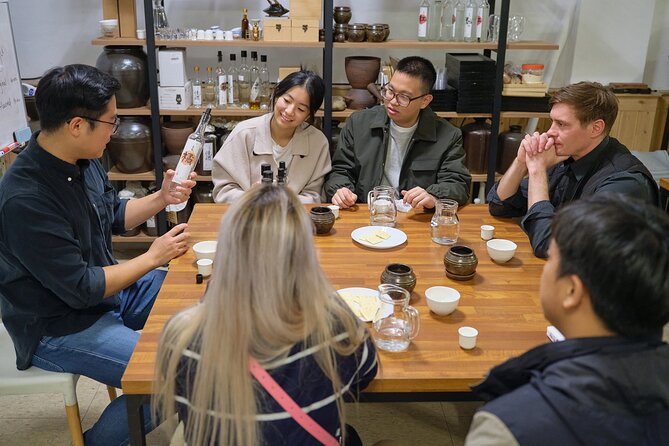
The tasting includes at least seven Korean alcoholic drinks, and the premium soju reaches 45% alcohol or more. That is a serious amount of spirit in a relatively short period.
You should eat before arriving. One tasting participant specifically advised having food beforehand, and that is sensible advice here. The session includes many samples, and the final pours may leave you pleasantly tipsy, or more than that, if you drink quickly.
Treat the tasting as a guided comparison rather than a drinking contest. Small sips let you notice the differences between lower and higher strength drinks, flavored and unflavored spirits, and traditional soju and industrial versions.
I would also plan your evening around the tasting. Since the experience lasts about 90 minutes and includes strong alcohol, avoid scheduling an important activity immediately afterward. The session ends where it begins, but your ability to navigate Seoul may be less sharp by then.
The phrase Oink Oink Slurp reflects the playful Three Pigs theme, but the alcohol itself is not lightweight. The atmosphere is friendly and humorous, yet the proof deserves respect.
What makes Sam Lee a strong host
Sam Lee receives consistent praise for being warm, funny, patient, and clear. Those qualities matter in a tasting because soju production can become technical very quickly.
He explains the process without making the session feel like a chemistry class. You can ask about fermentation, distillation, strength, aromas, and Korean drinking etiquette, then shift into ordinary conversation about Seoul.
His cultural guidance adds value. You may learn how alcohol fits into Korean meals, how people show respect when drinking, and why the same word, soju, can refer to very different kinds of spirit.
Sam also shares restaurant and food suggestions after the session. That is especially useful if you are still finding your way around Seoul. A distillery tasting becomes more practical when it helps you decide where to eat and what to order next.
The best version of this experience is interactive. If you simply sit back and wait for a lecture, you will miss some of the charm. Bring questions, compare impressions with the group, and let the conversation develop.
Is $43.83 good value?
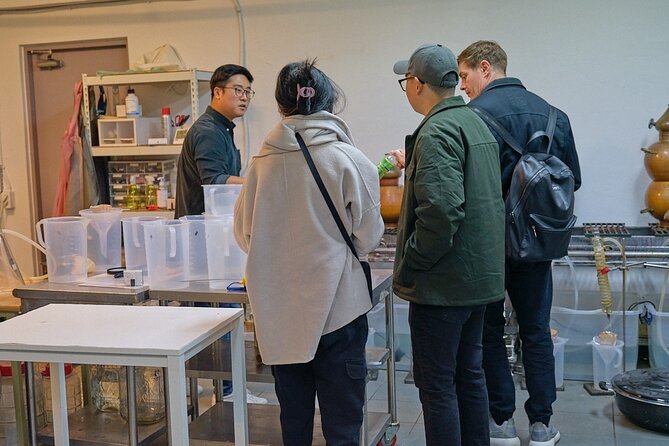
At $43.83 per person, this is not a bargain if you measure value by the number of drinks alone. You can buy inexpensive soju in Seoul for much less.
The value comes from access and explanation. Your fee covers entry to a distillery not open to the general public, a guided tasting of at least seven drinks, historical background, production details, and time with a host who can answer questions about Korean alcohol and the city.
For someone who already enjoys spirits, the price is easier to justify. You are tasting premium soju that may be 45% alcohol or higher, not simply buying a familiar bottle at a convenience store.
For a casual drinker, the value depends on curiosity. If you only want a quick taste of standard soju, this session may feel expensive. If you want to understand what traditional soju is and why it differs from the green bottle, the price is more reasonable.
The small-group format also matters. A maximum of 10 people is listed, although the experience description refers to groups of up to 12, so confirm the current size if that detail affects your choice. Either way, this is intended to be a personal session rather than a large bus tour.
Who should book this experience?
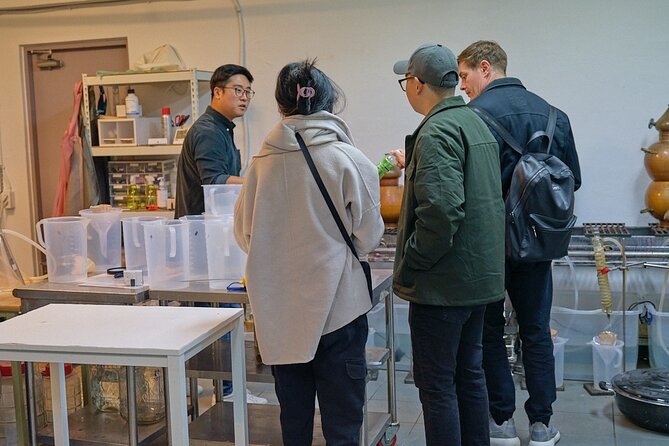
This tasting suits you if you enjoy spirits, food traditions, local production, or cultural history. It is particularly useful for visitors who have tried Korean soju before and want to understand what sits beyond the standard restaurant bottle.
It also works for couples and small groups looking for an evening activity that is more local than a bar crawl. You receive enough explanation to learn something, but the tone stays social and relaxed.
You do not need to be a soju expert. Several participants arrived with little knowledge and still found the production process easy to follow. Sam’s patient approach makes room for basic questions.
You should think twice if you dislike strong alcohol, do not want a group activity, or prefer a long, slow tour. The seven-plus samples come quickly, and the entire experience lasts only about an hour and a half.
This is also not the right choice for anyone expecting a full meal. Food recommendations may be offered, but the tasting itself should not replace dinner. Eat first and plan a proper meal afterward.
Practical details before you reserve
The meeting point is Samhae Soju, South Korea, Seoul, Mapo-gu, World Cup buk-ro, 109, basement level unit 1. The activity ends at the same location.
The experience is near public transportation, and a mobile ticket is accepted. Confirmation is sent when you book.
The activity requires good weather. If poor weather causes cancellation, you are offered another date or a full refund. In other situations, the booking is non-refundable and cannot be changed, so check your schedule carefully before paying.
Private groups can contact Sam to discuss a private reservation or changes suited to their needs. That may be useful for families, friends, or work groups seeking a more tailored format.
Because alcohol is served, bring identification if needed and plan your route home in advance. The supplied details do not specify an age policy, so check the booking conditions if that matters to your group.
Should you book the Three Pigs soju tasting?
I would book this if you want the real story behind Korean soju, not just another round of green bottles. The access to a working distillery, the Samhae history, and the chance to taste seven or more strong spirits make this a meaningful Seoul activity.
The strongest reasons to go are Sam Lee’s friendly teaching style, the traditional production setting, and the clear contrast between industrial soju and higher-proof spirits. You also gain useful food and city advice at no extra stage of the experience.
Skip it if you want a low-cost drink, a full meal, or a slow tour with lots of time at each stop. For everyone else, eat beforehand, keep an open mind, and pace yourself. This is a compact, social introduction to a side of Korean drinking culture that most visitors never see.
FAQ
Where does the soju tasting take place?
The experience takes place at Samhae Soju, at World Cup buk-ro 109, basement level unit 1, in Seoul’s Mapo-gu district. It is near public transportation.
How long does the experience last?
The tasting lasts approximately 1 hour and 30 minutes.
How many drinks will I taste?
You will taste at least seven different Korean alcoholic drinks. The selection can include several soju varieties with added aromas, as well as other Korean alcohol styles.
How strong is the soju?
The premium soju served during the experience is 45% alcohol or higher, equal to at least 90 proof.
How large is the group?
The activity lists a maximum of 10 travelers. The description also refers to groups of up to 12, so contact the provider if the exact group size is important to you.
Can I cancel or change my booking?
The experience is non-refundable and cannot be changed for any reason. If poor weather causes the provider to cancel, you will be offered another date or a full refund.
Fresh on the whisky trail around the world
- The Full Hoot Distillery Tour & Guided Hooting Owl Experience★ 5.0 · 6 reviews
- NON BUS Old Mission Wine And Distillery Sunset Tour – 4 STOP★ 5.0 · 2 reviews
- Victoria Craft Beer and Distillery Tour★ 5.0 · 5 reviews
- Heke Brewery and Distillery Tour in Waiheke Island with samples★ 4.5 · 3 reviews
- Afternoon Distillery Tour in Newport★ 4.5 · 21 reviews
- Distillery District Breakfast Tour★ 5.0 · 21 reviews
- Toronto Distillery District: Whisky Exploration Game and Tour★ 3.5 · 4 reviews
- NON BUS MOVIE STARS Traverse City Brewery And Distillery Tour★ 5.0 · 2 reviews
Distillery Tours, side by side.

Dublin: Jameson Whiskey Distillery Tour with Tastings
Read our review →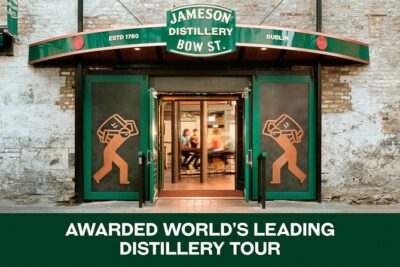
Dublin Jameson Distillery Bow St. Tour and Tasting 45 mins
Read our review →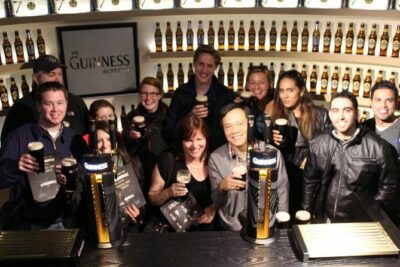
Dublin Jameson Distillery and Guinness Storehouse Guided Tour
Read our review →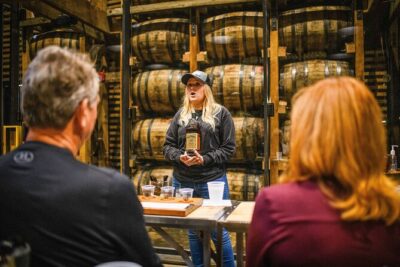
Nashville to Jack Daniel’s Distillery Bus Tour + Whiskey Tastings
Read our review →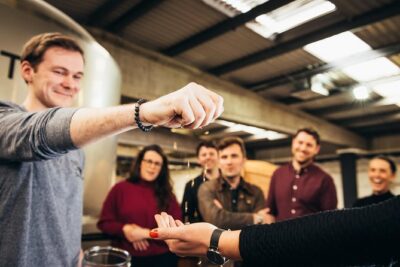
Dublin Teeling Whiskey Distillery Guided Tour and Tasting 1 Hour
Read our review →